
This article was originally written in Chinese and translated into English by AI.
I never imagined that one day I could use my programming knowledge to mess with—or bully—a scammer. Such is the power of knowledge!
(This story has been adapted as appropriate from real events.)
1. How It Started
A few days ago, a stranger suddenly added me on WeChat.
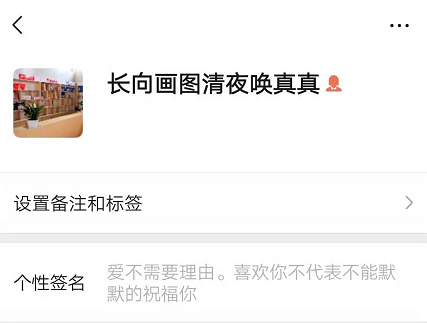
They had found me through my phone number. The request note said, “158*******, I couldn't reach you by phone”—the original contained my real number—and their profile photo showed a parcel pickup scene.
I did not accept immediately. First, I checked my mobile balance.
My phone service was active, and I was not expecting any deliveries.

Even so, I accepted the request just in case. After all, if it was a scammer, I simply had to avoid falling for the scam.
They said nothing after I accepted, so I forgot about it. The next day, I discovered that they had added me to a finance group.
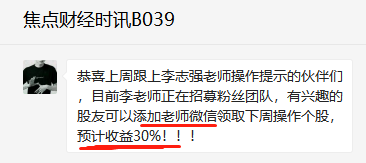
This group was far more interesting. I was added shortly after 1 a.m. At around 8 a.m., the show officially began.
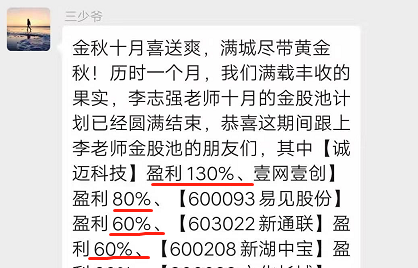
First, someone welcomed the new members. Then another actor began posting last month's “good news” from the legendary stock guru, Teacher Li. The supposed profits ranged from 30% to 130%.
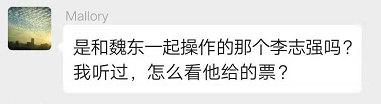
Then came the performance: “Is that the Teacher Li I've heard about?” “Amazing, I want to try!” “Teacher Li only offers advice and charges nothing.”
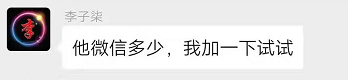
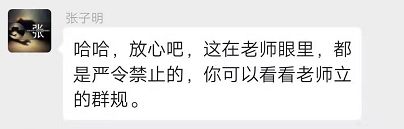
A stranger's friend request, an unexpected finance group, the mysterious Teacher Li, and a crowd singing his praises... This was obviously a scam operation.
Many people in the group spotted the problem, but most simply left.
There were 31 members at first. By the afternoon, only 23 remained, including more than a dozen accomplices working with the scammers.
But as a programmer and a public-account writer, I felt I should observe a little longer. Perhaps it would become inspiration for an article.
2. Creating a Disguise
The scammers' next step was to persuade everyone to add the stock-market guru Teacher Li on WeChat.
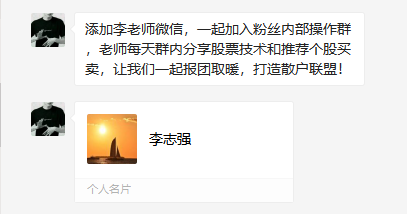
This was actually a screening mechanism. Sensible people would ignore such an obvious scam. Only those unfamiliar with the trick, who added the account without thinking, were worth targeting further.
I wanted to see what they would do next, but I did not want to add them with my main WeChat account. It is my primary account for online socializing, and persistent harassment from scammers would be unpleasant.
Fortunately, I had an alternate WeChat account. It had only one friend—my main account—and existed specifically to claim new-user promotions on shopping platforms. So far, it had earned me just one free cup of Luckin Coffee.

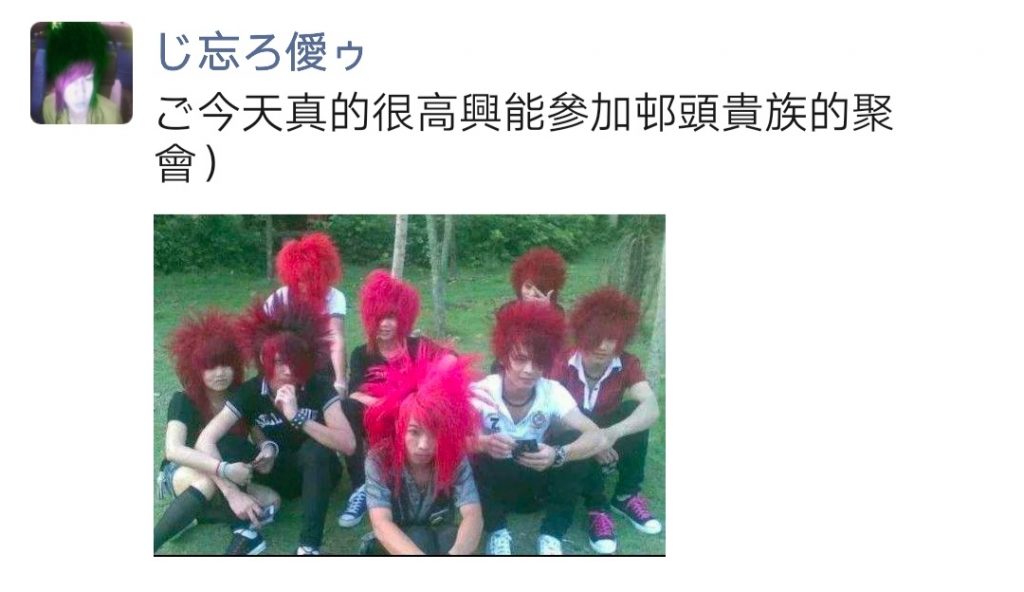
The account needed a makeover. It currently looked like an edgy, withdrawn 18-year-old teenager, but I needed to make myself look especially easy to fool.


How should I disguise it? People who fall for scams are generally assumed to have less education. Suddenly, one term flashed through my mind: Shamate, the flamboyant Chinese youth subculture.
Wild hairstyles, the “Buried Love Family,” Martian script... Inspiration struck immediately!

So I changed the WeChat profile to this:


That was not enough. I also posted an update to WeChat Moments.
After all this, I felt like a genius.

3. Putting Programming to Work
As a programmer, I naturally had to make good use of my technical knowledge while messing with the scammer.
My goal was to harass tease the scammer, not to let the scammer keep bothering me. Spending hours chatting with them would waste my time too.
So I decided to use an intelligent chatbot to talk with the scammer.
Many free chatbots were available, so I chose one at random. Registration was all that was required for free use.

A chatbot available as a free trial
I have to admit that today's chatbots are remarkably capable. Their conversations are smooth, and you can configure the bot's personal details, including its name, age, zodiac sign, and parents' names.
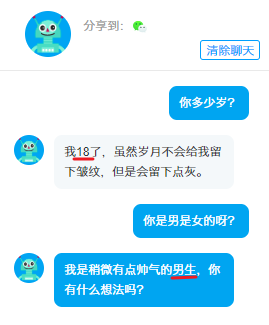
For example, I configured this bot as an 18-year-old boy.
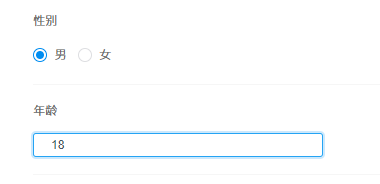
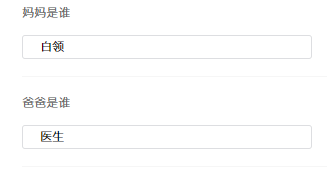
We could then ask about these details during a conversation with the bot.
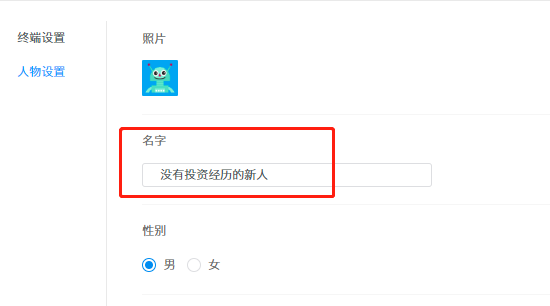
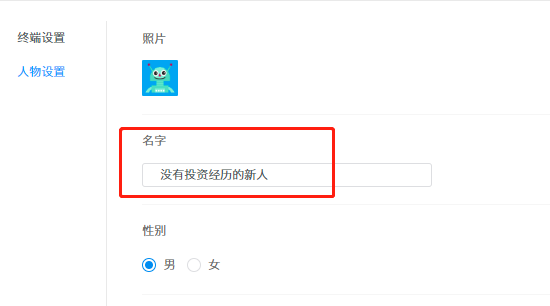
I set the chatbot's identity to “a newcomer with no investment experience.” That way, even if the scammer asked about me, the chatbot would not give the game away.
Besides the chatbot, we needed a way to receive and send messages through WeChat. I chose the Python library itchat.
Just a few simple lines of code can receive and reply to WeChat messages.
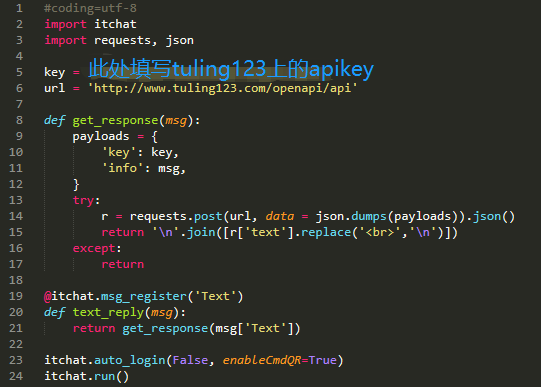
Here is a test of the finished chatbot, with the bot on the left and me on the right:
The result looked good, and the bot replied instantly.
Now the Shamate account, chatbot, and WeChat interface were all ready.
Time to mess with the scammer!

4. Let the Fun Begin
Using my disguised Shamate alternate account, I added “financial expert Teacher Li” on WeChat.
Note: In the conversation below, white message bubbles belong to the scammer, while green bubbles are the chatbot's automatic replies.
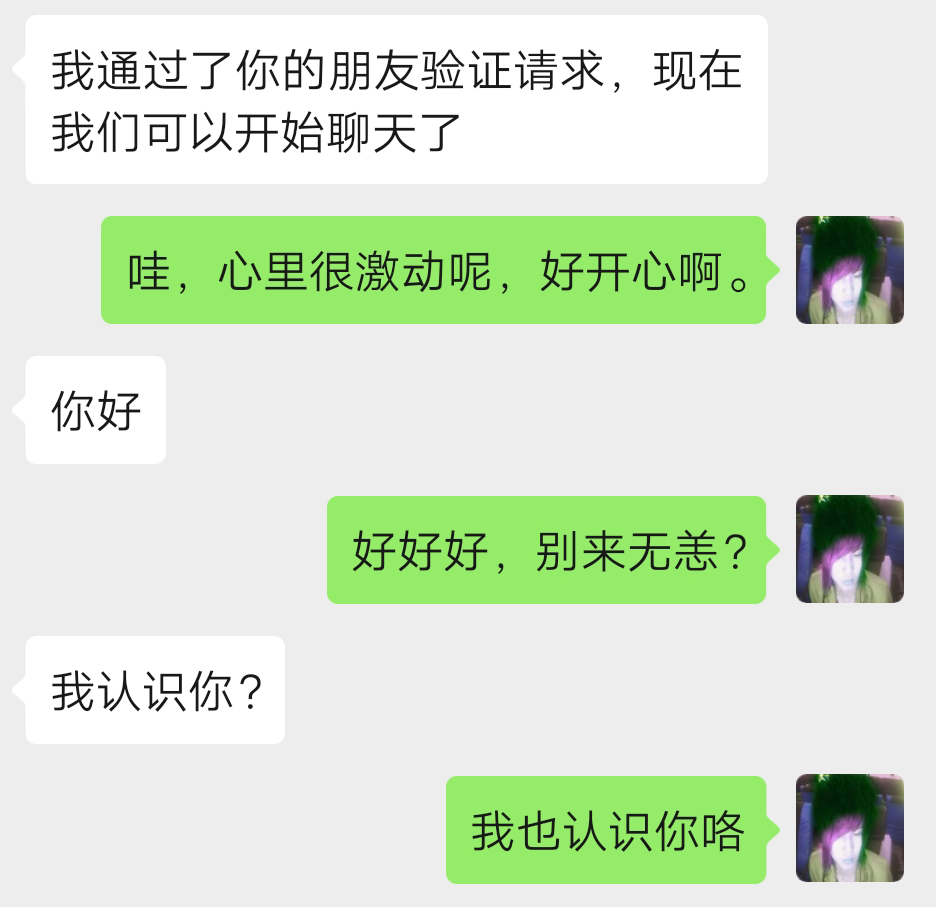
The instant the other person accepted my request, the chatbot got to work.
Unfortunately, it got off to a bad start. The scammer sensed that something was strange almost immediately.
Remember the personal information we configured for the bot?
I assumed that when the other person asked who I was, the bot would answer:
I am a newcomer with no investment experience.
Instead...
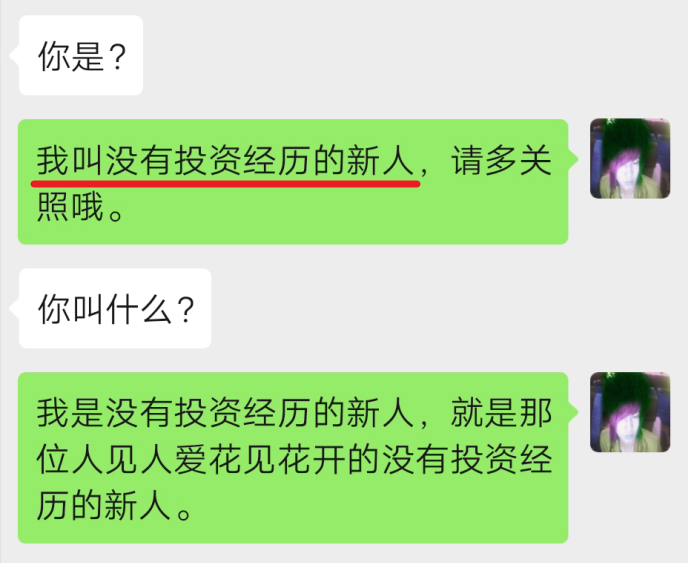

I had planned for everything except the endless ambiguity of the Chinese language...
Once the scammer realized something was wrong, they did not hesitate: they started swearing at me.
Naturally, the ever-charming chatbot politely replied to every insult—and did so instantly.
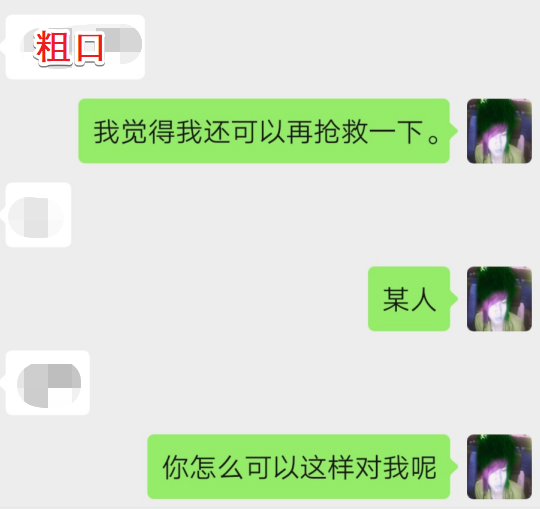
Sometimes chatbots are genuinely frightening. You can curse at one in a rage and end up even more furious because of its replies.
One of the personal details configured earlier was the names of the bot's parents:
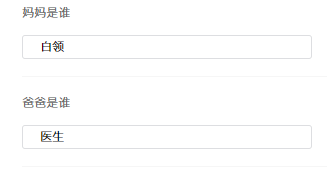
I never imagined that this detail would deliver the best moment of the entire exchange.
After several insults, the scammer ran out of words and finally wrote, “You're sick.”
The bot replied with perfect composure:
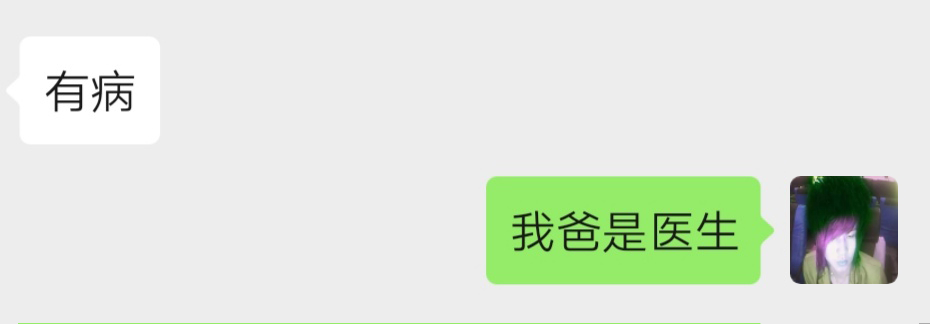
And then... the scammer never said another word.
I had left the conversation unattended after the request was accepted. When I opened WeChat at 9:30 that evening, it had long since ended.
Out of curiosity, I politely sent the scammer another message.
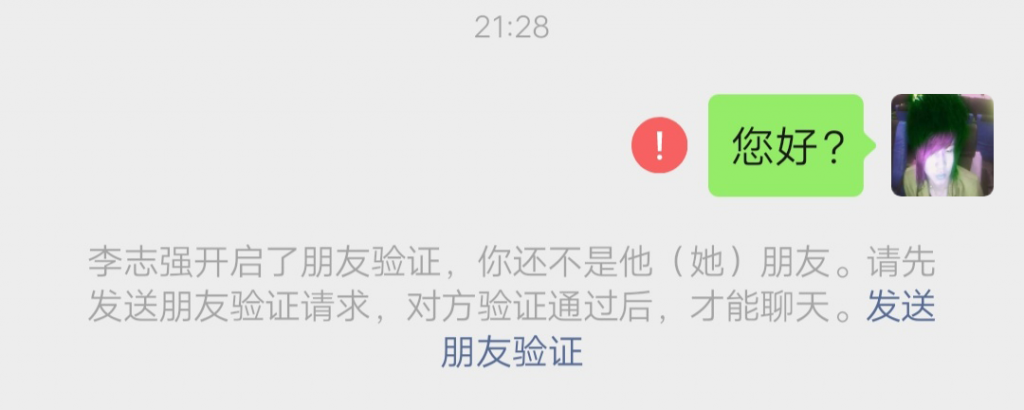
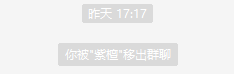
It appeared they had deleted me. No matter—I still had the finance group...

To end this article, I want to say:
I hope no one else falls victim to these scams.
This article is based on real events, with some details adapted for entertainment.